Guide one
Beaches & Bays
The Dominican Republic has beaches for every mood, from lagoon-calm water behind a reef to wild Atlantic surf. The secret to a stress-free beach day is picking the right one.
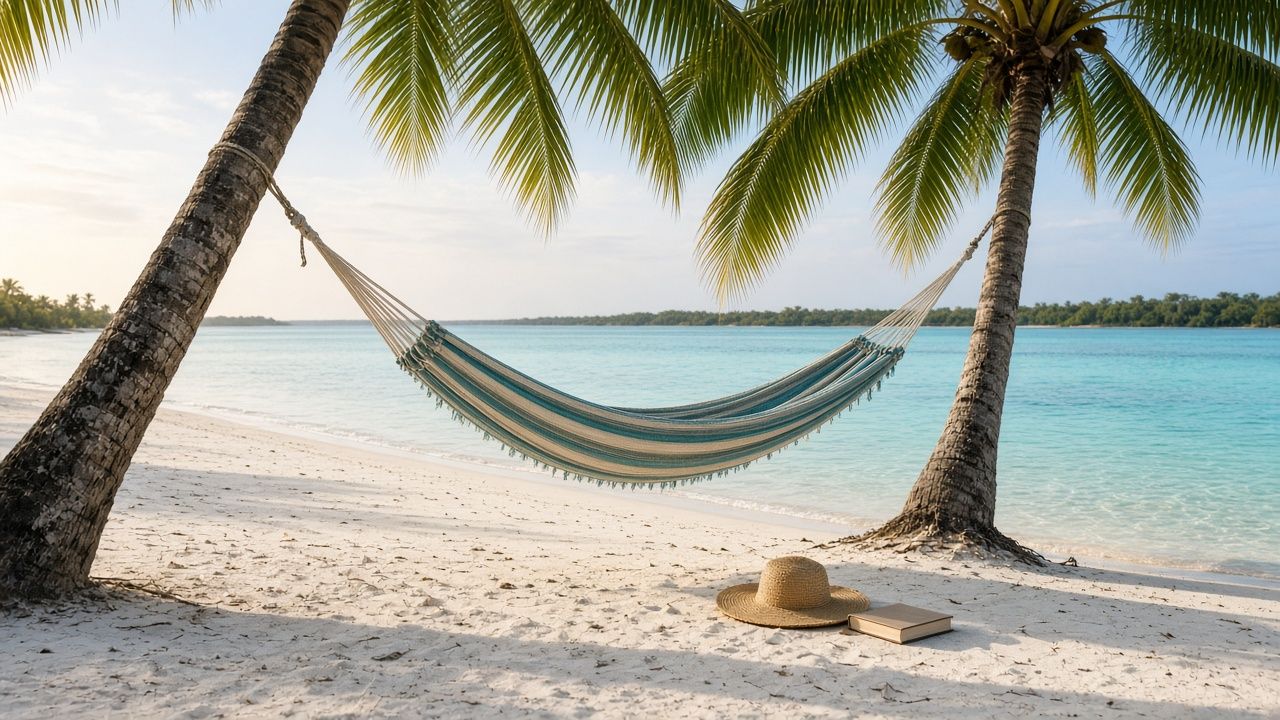
Calm water or waves?
The Caribbean (south and east) coasts generally have softer water, especially where a reef breaks the swell. The Atlantic (north) coast is breezier and livelier, which surfers and kitesurfers love and nervous swimmers may not.
The coasts at a glance
| Area | Feel | Good for |
|---|---|---|
| Punta Cana, Bávaro and the east | Long white beaches, many sheltered by reefs | Lazy days, families, first visits |
| Bayahibe and the south-east | Quiet village bays and boat trips to offshore islands | Snorkelling, slow mornings |
| Samaná Peninsula | Palm-backed beaches and green hills | Quiet coves, whale season in winter |
| Puerto Plata, Sosúa and Cabarete | Breezy Atlantic coast with lively small towns | Water sports, beach-and-town stays |
| The far south-west | Remote, dramatic and less developed | Travellers who want space and nature |
Whale season in Samaná
Humpback whales gather in Samaná Bay in the winter months, roughly January to March. If you go out to see them, choose a licensed operator that follows the local watching rules on distance and time, and take seasickness tablets if you need them.
A calm beach day
- Go early. Mornings are cooler, calmer and quieter.
- Find shade by noon. The sun is strong all year, even on cloudy days.
- Read the water. Respect flags and local advice, and do not swim alone or after drinks.
- Protect the reef. Do not stand on coral or take shells and starfish from the water.
- Carry small notes. Beach vendors and snack shacks rarely take cards.
Beyond the sand
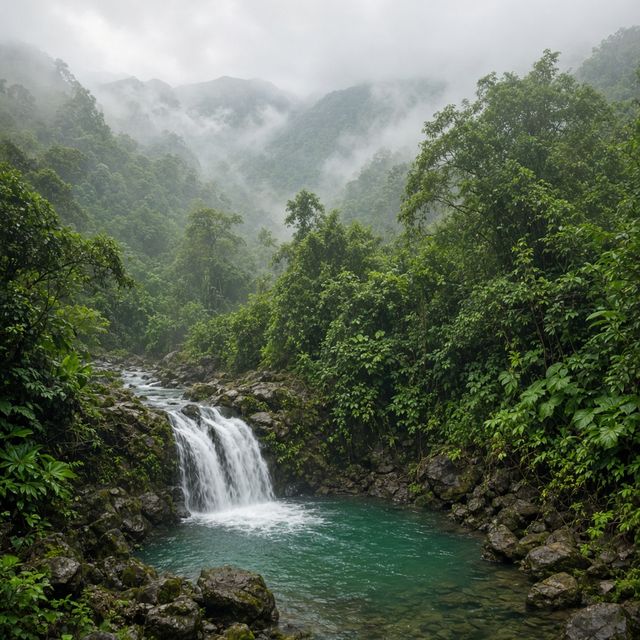
Inland, the Cordillera Central has rivers, waterfalls and cool mountain towns such as Jarabacoa and Constanza. Pico Duarte, the highest peak in the Caribbean, rises here too. A night or two in the hills is a good antidote to too much sun.